


Versatility in the kitchen Almonds stand out as one of the most versatile and nutrient-dense foods in the pantry, valued across culinary traditions for their rich flavor, satisfying texture, and health benefits. When incorporated thoughtfully into baked products, they can elevate both gastronomic pleasure and overall diet quality, particularly in Mediterranean-style or whole-food eating patterns. Across time, cooks have learned to transform these nuts into meal, flour, milk, butter, and paste. In a single bakery you might meet them all—almond milk whisked into batter, frangipane hidden beneath fruit, or marzipan (made from almond paste) sculpted into fruits.

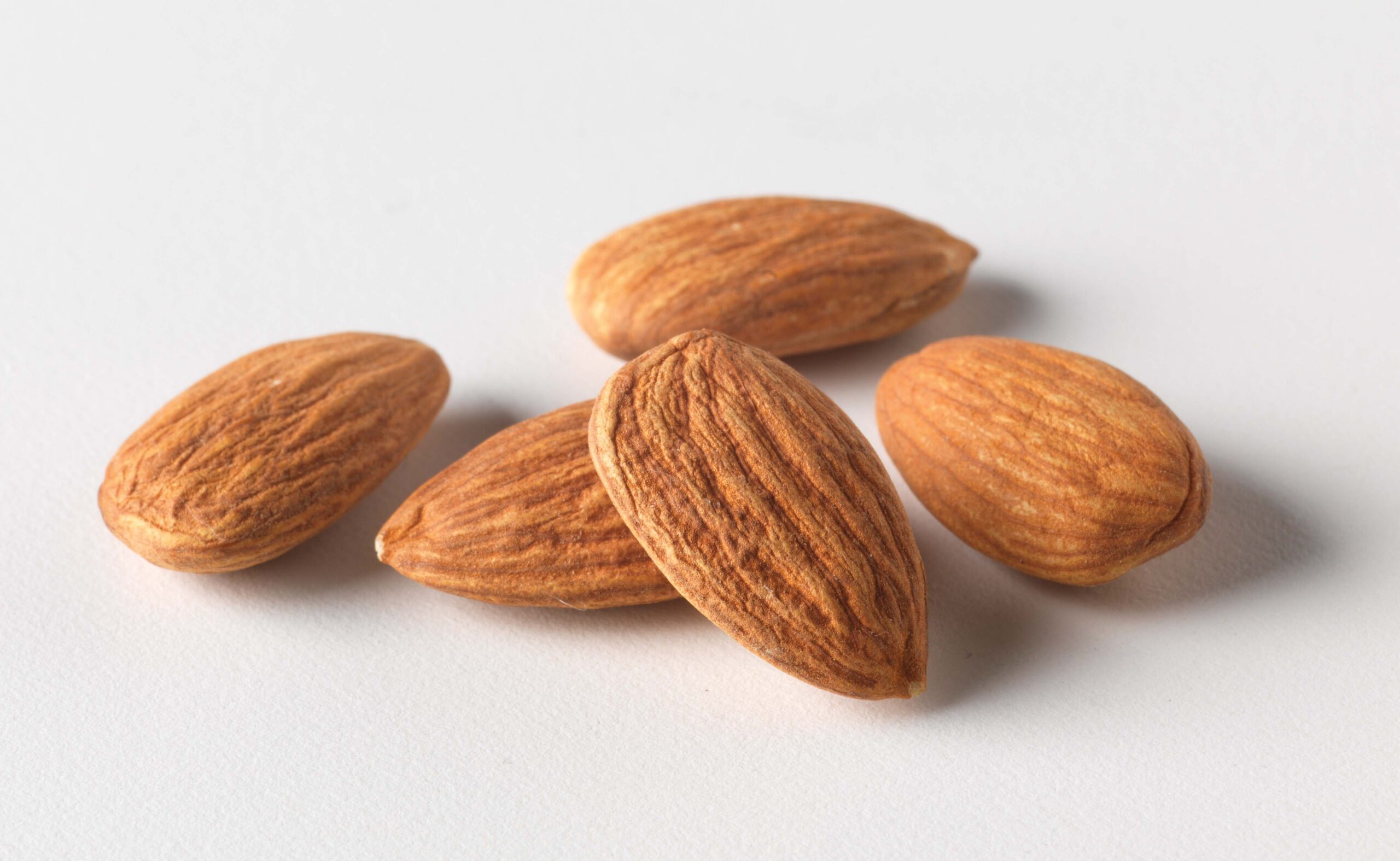
These add crunch and visual interest to desserts such as crumbles, cakes, and tarts, while toasting enhances their aroma and deepens color. Whole almonds are available raw, roasted, blanched, and smoked.
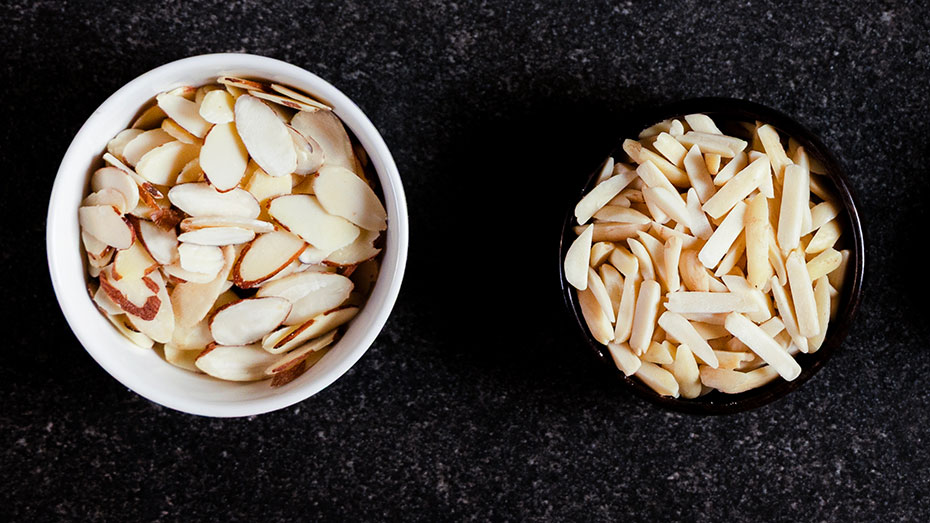
Common in bakery applications and garnishes, they integrate more gently into batters and toppings, creating delicate crusts on cakes and financiers.
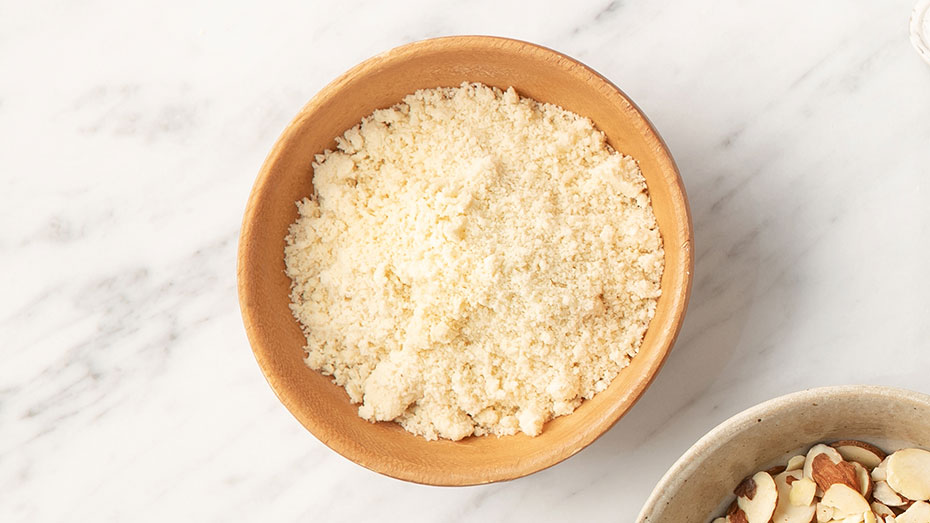
Almond flour is made by blanching raw almonds in boiling water to remove their skins, drying them completely, and then grinding them into a fine, powder-like consistency using a food processor or blender. The mixture is often sifted to separate fine flour from coarser pieces. Because almond flour binds water and has its own natural fat, it tenderizes and improves the mouthfeel of items like muffins and cakes. In a basic butter cookie, pie crust or quick bread, you can easily substitute 20 to 25 percent of the refined wheat flour with almond flour. In a génoise sponge cake for example, the result will be a little denser but with a lovely toastiness and nut aroma. Finely milled almonds serve as the backbone of French macarons, frangipane, and many gluten-free cakes and cookies, where their natural fat and protein provide tenderness and structure in place of wheat flour.
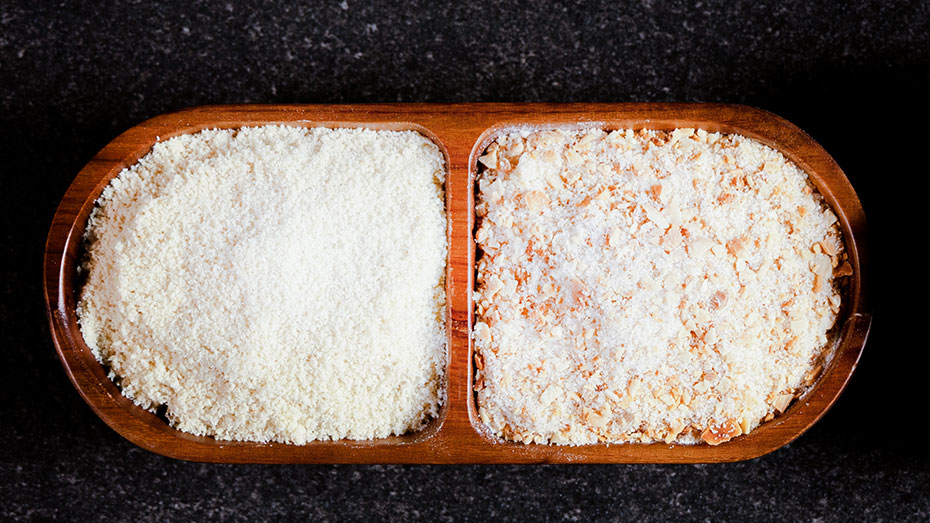
Defatted almond flour is a high-protein (approximately 40-45%), low-fat (reduced by approximately 75-80%) baking flour created by mechanically pressing oil from almonds. It has a fine, light texture and acts as a strong moisture absorbent. Defatted almond flour works well in cakes, pancakes, or breads and is ideal for keto, low-carb and gluten-free diets. It cannot always be used in a 1:1 substitution for regular almond flour due to its high absorbency. Using it in recipes requires extra moisture or mixing it with other flours.
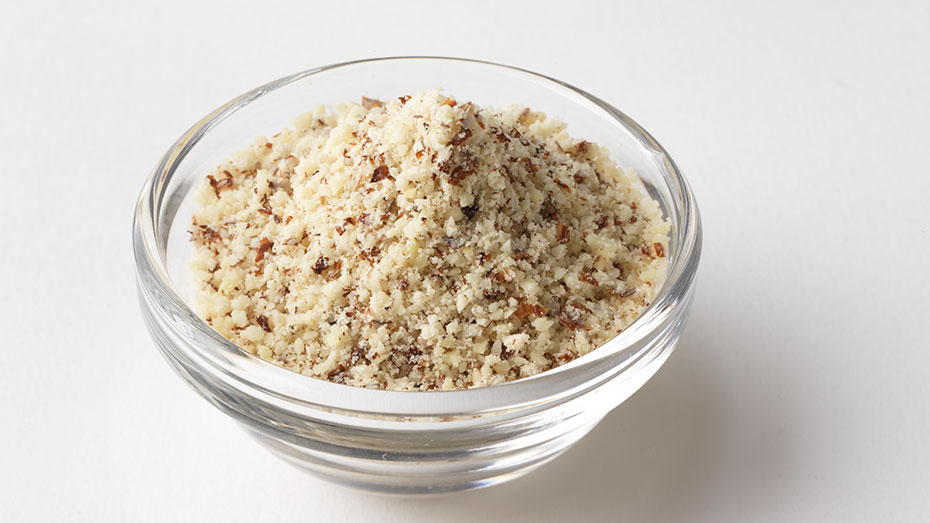
Almond meal is a gluten-free flour alternative made from ground raw, unpeeled almonds, resulting in a coarse texture, brown-speckled appearance, and robust nutty flavor. Almond flour and almond meal differ primarily in texture and skin content: almond meal is coarser and often uses whole, unpeeled almonds, while almond flour is made from finely ground, blanched (skinless) almonds. Almond meal is used in baking for denser, heartier textures like in muffins or cookies, or as a breadcrumb substitute.
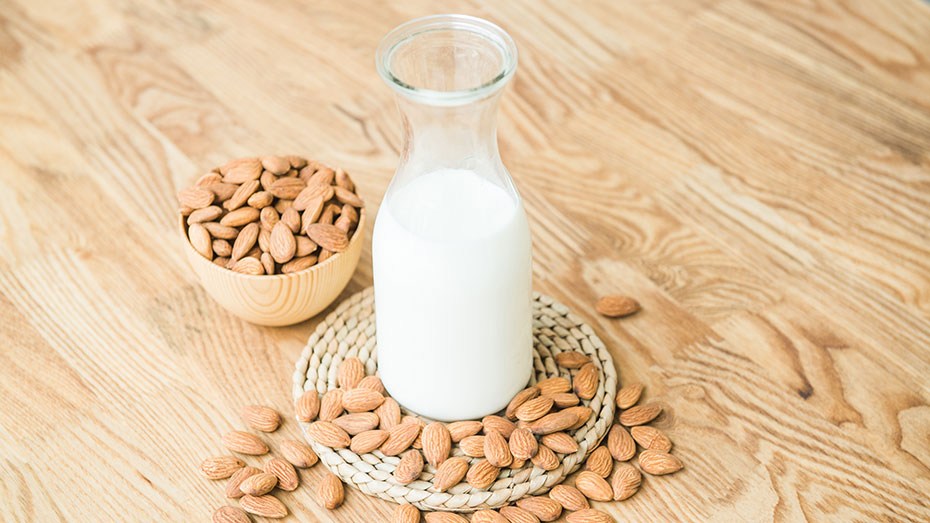
Produced by blending then straining almonds that have been soaked in water, almond milk functions as a dairy alternative in beverages, coffee drinks, custards, porridges, and light sauces, especially appealing for those avoiding lactose or dairy. Almond milk works well to add moisture and can be substituted 1:1 for dairy milk in most baked goods like cakes, muffins, and pancakes. It’s important to be aware that almond milk has lower fat and protein content than cow’s milk and it may produce slightly less richness and browning because of this. Almond milk cannot replace eggs on its own because eggs provide structure and binding. If substituting for eggs, it should be paired with a binder like flaxseed, chia seeds, applesauce, or a commercial egg replacer.
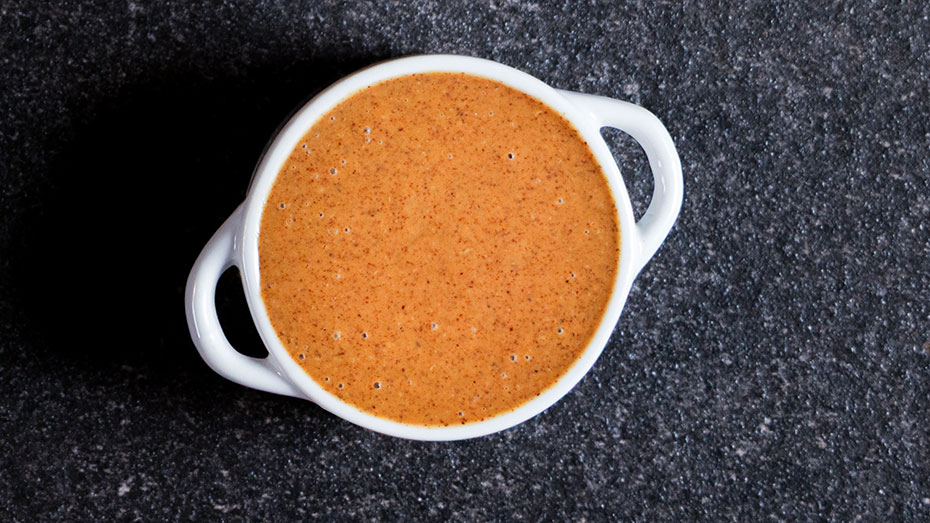
Almond butter is made by roasting raw almonds at 300-350°F for 10-15 minutes, then blending them in a high-powered food processor for 10-25 minutes. The blending process transitions the nuts into a thick paste, and finally to a smooth, creamy butter as the natural oils are released. Smooth or crunchy spreads adapt beautifully to breakfast toasts, smoothies, energy bites, sauces, or fillings for confections. Almond butter can replace peanut butter in any application, such as cookies or energy bars. You can add it to ganache or buttercreams, where it can substitute for up to half the butter. Almond butter is roughly 50 percent fat by weight. Consider finishing a custard with almond butter instead of dairy butter.
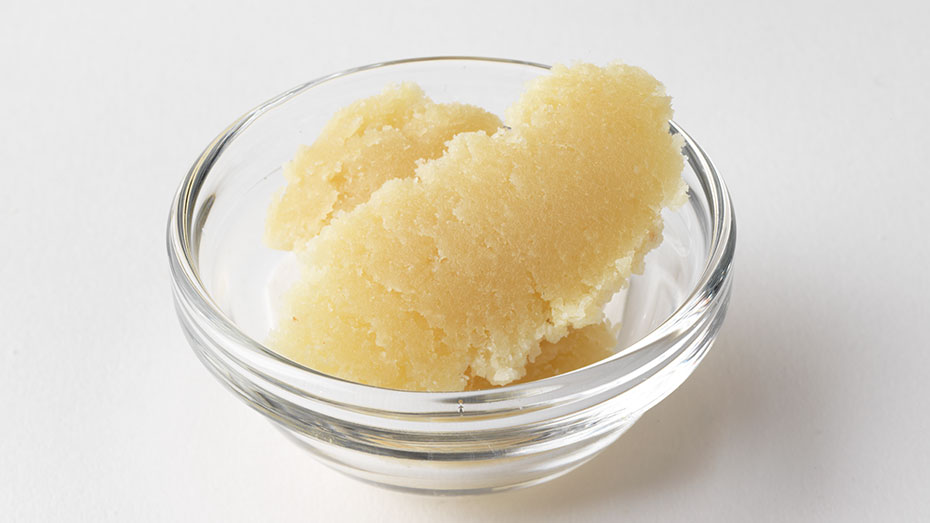
Almond paste is made from ground almonds blended with sugar as well as small amounts of cooking oil, eggs, heavy cream or corn syrup that act as a binder. More concentrated pastes form the base of marzipan and countless classic European confections.
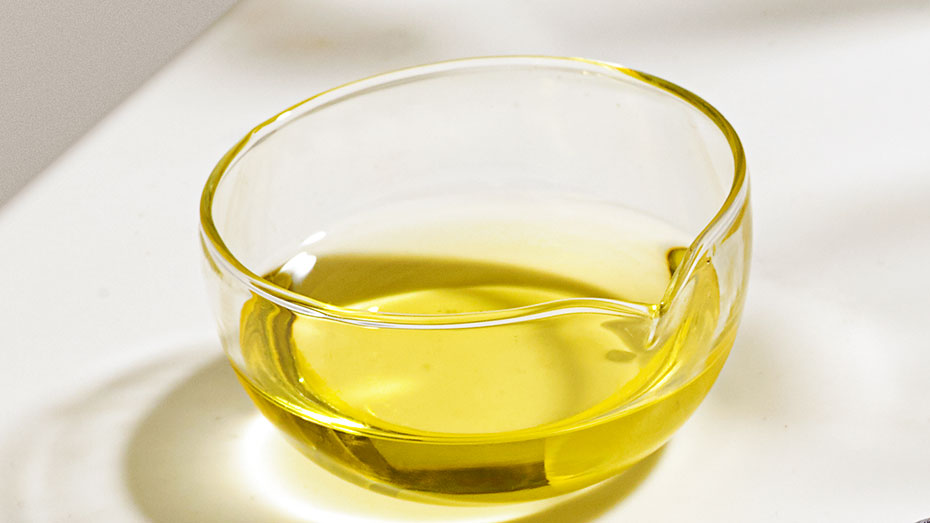
Almond oil is made by extracting oil from sweet or bitter almonds, primarily through cold pressing (using mechanical pressure on ground almonds) or solvent extraction. When almonds are blended into a butter, the manufacturer allows the oil to surface, where it is then collected. Another method is pressing almonds and separating pure oil from residue through a filtration system. With a mildly nutty flavor and high monounsaturated fat content, almond oil works well in baking to add moisture to cakes, quick breads, cookies, muffins, and crusts.